
Tazverik Recall: What Cancer Patients Should Know About This Drug Withdrawal
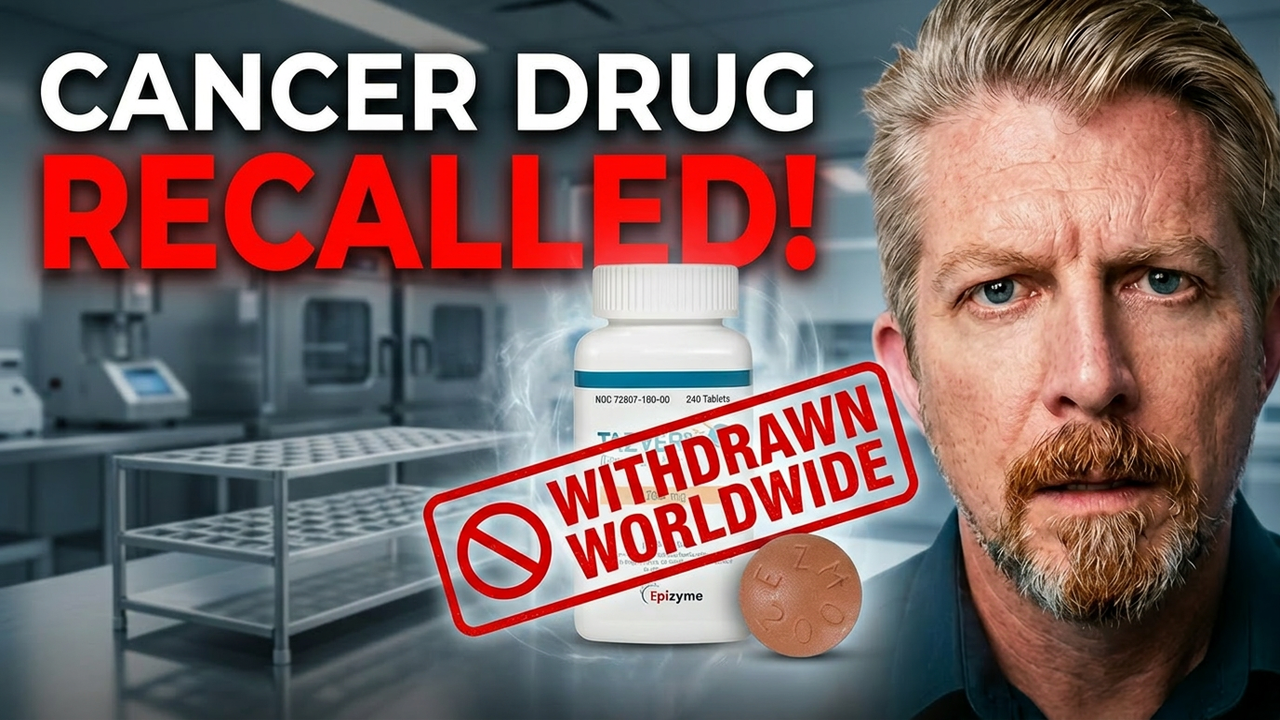
Not all developments in oncology and cancer treatment are good news. Sometimes cancer news involves drug recalls that affect patients currently receiving cancer therapy. Recently, Ipsen announced a recall of their drug Tazverik (tazemetostat), removing the medication from the market worldwide. This cancer therapy had been used to treat epithelioid sarcoma, a rare sarcoma cancer that cannot be surgically removed once it becomes metastatic or locally advanced. For cancer patients and clinicians, understanding why this recall happened is important.
How Tazverik (Tazemetostat) Worked in Cancer Treatment
Tazverik was developed as a targeted therapy in oncology that affects epigenetics, specifically by causing epigenetic reprogramming. The drug inhibits the enzyme EZH2, which regulates how DNA is read or ignored inside a cell.
EZH2 functions as a methyltransferase, placing methyl groups on DNA-associated proteins that control which genes are active. By inhibiting EZH2, tazemetostat changes which portions of DNA are accessible for gene expression. This type of epigenetic reprogramming can disrupt tumor growth in certain cancers, including sarcoma, follicular lymphoma, and other malignancies being investigated in clinical trials.
However, changing how DNA is regulated can also create unintended consequences.
Secondary Blood Cancer Risk: Leukemia and Lymphoma
The primary concern leading to the drug recall involves the development of secondary blood and bone marrow cancers, including lymphoma, myelodysplastic syndrome, and acute myeloid leukemia (AML).
These cancers affect the bone marrow and immune system. Early symptoms may include fatigue, shortness of breath, and abnormal blood counts, which can make them difficult to detect early.
Secondary cancers are a known risk for many forms of chemotherapy and some targeted cancer therapies. Epigenetic drugs that alter DNA regulation have always carried a small possibility of triggering unintended genetic changes. During earlier clinical trials by the company that first developed this drug, this risk appeared extremely low.
However, during a larger clinical trial conducted by Ipsen investigating tazemetostat for refractory follicular lymphoma, researchers observed a higher rate of secondary blood cancers than expected or previously reported. As a result, the manufacturer chose to withdraw the drug globally.
What This Means for Cancer Patients and Oncology Safety
For cancer patients who have taken Tazverik, oncologists now recommend careful monitoring through routine blood tests. Doctors may look for abnormal or immature white blood cells that could indicate early signs of leukemia or lymphoma.
Importantly, this situation also illustrates how the drug development process works in oncology. Cancer therapies undergo several stages of clinical trials, but monitoring continues even after approval through what is often called post-approval or Phase 4 evaluation.
If new safety concerns appear during this stage, drugs may receive warning labels or be removed from the market entirely.
Drug Recalls and the Role of Cancer Research
Drug recalls in cancer therapy can feel alarming, but they are also evidence that safety monitoring in pharma, oncology, and cancer research continues even after approval.
Most cancer therapies—including chemotherapy, targeted drugs, and epigenetic treatments—carry some level of risk. The goal of modern drug development is to ensure those risks remain acceptable compared with the benefit of treating the tumor.
In this case, the rate of secondary cancers was higher than researchers were comfortable with, leading to the decision to remove the drug.
For patients, the most important takeaway is simple: if you or someone you know has taken tazemetostat, discuss ongoing monitoring with your oncology team so potential blood cancers can be detected early.
Accurate science saves lives — and it starts with rejecting simple myths in favor of real understanding. Stay curious.
Disclaimer: This content is for educational purposes only and is not medical advice. It does not replace guidance from your healthcare provider. Cancer and treatment decisions are highly individual—always consult your physician or qualified healthcare professional regarding your specific situation.
A full disclaimer is available Terms and Conditions.