

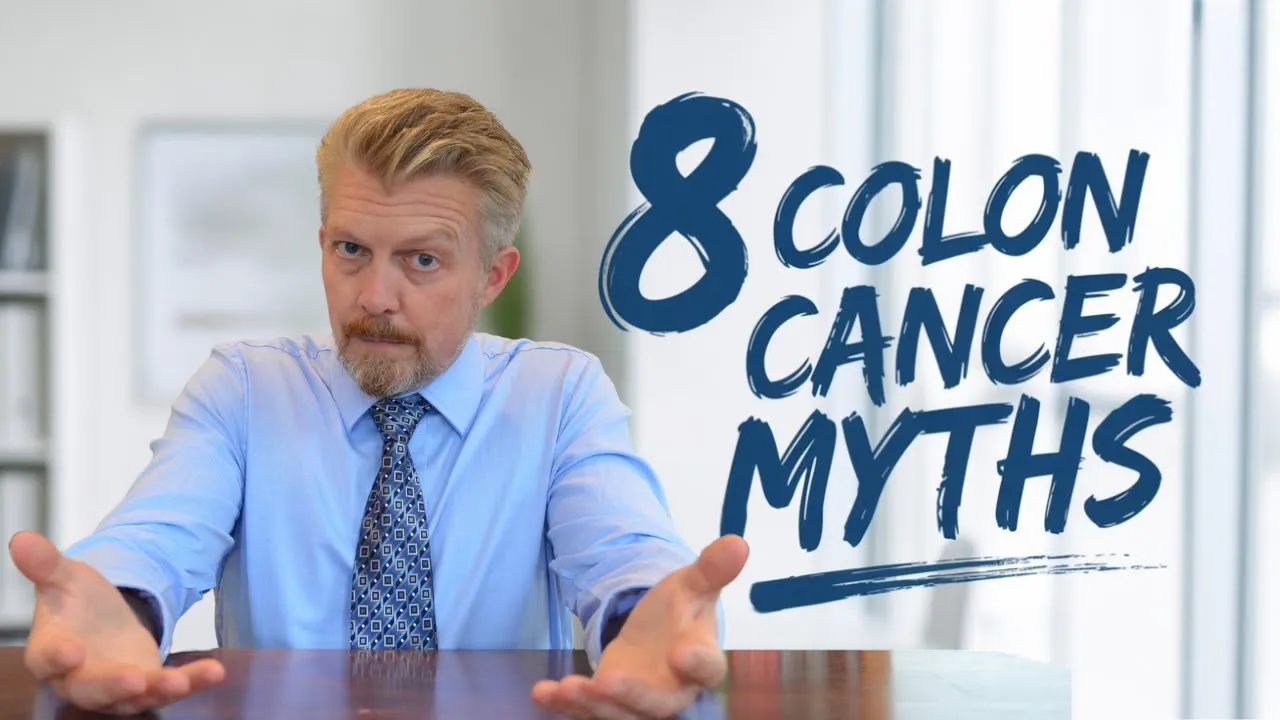
Colon Cancer Myths and Facts: What You Need to Know to Protect Your Health
Colon cancer is surrounded by persistent myths that can delay screening, increase fear, and cost lives. From who is at risk to how prevention actually works, misinformation remains widespread. Understanding the facts about bowel cancer, colon cancer symptoms, colon cancer screening, and prevention can make an enormous difference in outcomes. With early detection, over 90% of people survive localized colorectal cancer.
Let’s clear up eight of the most common colon cancer myths and replace them with evidence-based clarity.
Myth 1: Colon cancer is always fatal
This is one of the most damaging cancer myths. In reality, colon cancer is highly treatable when caught early. Survival rates continue to improve thanks to earlier screening, better diagnostics, better and easier tolerated drugs, and more effective cancer treatment support.
Myth 2: You only need screening if you have symptoms
Many colon tumors and polyps cause no symptoms at all in early stages. Waiting for signs of cancer like pain or bleeding can delay diagnosis. Colon cancer screening is designed to detect disease before symptoms appear.
Myth 3: Colon cancer only affects older men
While age increases risk, colon cancer is rising in younger adults and affects people of all genders and backgrounds. Colonoscopy awareness and early screening matter for everyone, not just older men.
Myth 4: Family history is required
Hereditary cancer syndromes increase risk, but most colorectal cancer cases occur in people with no family history. Lifestyle, environment, and random cellular changes also play major roles.
Myth 5: Inherited mutations guarantee cancer
Conditions like Lynch syndrome and FAP increase risk but do not guarantee disease. Genetics influence probability, not destiny, making screening and prevention critical even for high-risk individuals.
Myth 6: The gut microbiome causes colon cancer
While gut bacteria influence colorectal health, colon cancer arises from a complex interaction of inflammation, metabolism, genetics, and environment. No single factor acts alone.
Myth 7: You can’t reduce your risk
Diet, physical activity, and metabolic health significantly affect colon cancer prevention. High sugar intake and insulin load may increase risk independently of weight, while whole-food diets help lower it.
Myth 8: Colonoscopies are painful and the only option
Colonoscopies are typically performed under sedation and are not painful. While they remain the gold standard due to the ability to remove polyps during the diagnositc procedure, alternatives like stool DNA testing and colonography exist and are very accurate. The best screening is the one you’ll complete.
The bottom line
Colon cancer myths delay lifesaving action. Screening saves lives, prevention is possible, and early detection changes outcomes. Accurate information empowers better decisions and better health.
Accurate science saves lives — and it starts with rejecting simple myths in favor of real understanding. Stay curious.
Disclaimer: This content is for educational purposes only and is not medical advice. It does not replace guidance from your healthcare provider. Cancer and treatment decisions are highly individual—always consult your physician or qualified healthcare professional regarding your specific situation.
A full disclaimer is available Terms and Conditions.