

Why Cancer Cell Line Studies Rarely Predict Real Cancer Treatment
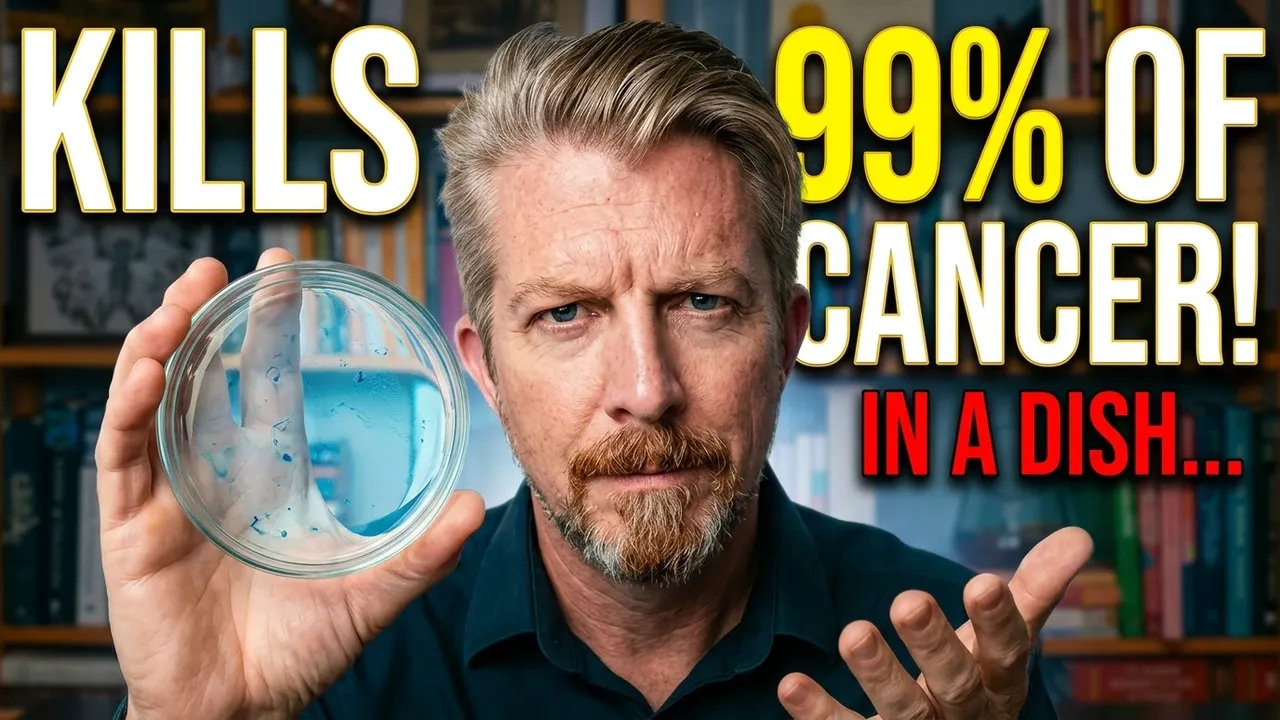
If you follow cancer research headlines, you’ve probably seen claims like “scientists discover compound that kills 99% of cancer cells.” These stories often sound like a breakthrough in cancer treatment for breast cancer, colon cancer, lung cancer, prostate cancer, or even aggressive diseases like GBM. But most of those results come from cell line experiments, not real patients. Understanding how cancer research works is critical for any patient trying to interpret news about a new cancer cure or oncology breakthrough.
At Elevating Cancer Treatment, we often explain that killing tumor cells in a dish is very different from treating cancer in a human body.
The Problem With Cancer Cell Lines
Cancer research often begins with cell lines, which are cancer cells grown in laboratory dishes. These models are used in biotechnology and drug discovery to test new compounds and treatments before moving to animal studies and later to clinical trials.
The problem is that cancer cells in a dish evolve rapidly. Because cancer biology is inherently unstable, cell lines mutate dramatically over time. After years of growth in laboratory conditions, a breast cancer or lung cancer cell line may barely resemble the tumor it originally came from.
In some cases, entire chromosomes are duplicated or lost. Some famous cell lines used in oncology research have been growing for more than seventy years, accumulating severe genetic changes that make them great cell lines but very different from real tumors.
This raises serious questions about validity and reliability in early research, especially when results are reported as potential cancer breakthroughs.
Contamination and Misidentified Cell Lines
Another major issue in drug discovery and development is contamination. Cancer cell lines frequently contaminate each other in laboratories. The most famous example is the HeLa cell line, which originated from cervical cancer in 1951.
HeLa cells grow aggressively and have invaded countless other cultures. In some cases, researchers believed they were studying breast cancer, prostate cancer, or colorectal cancer when they were actually analyzing heavily mutated cervical cancer cells.
Other studies have discovered that supposed human cancer cell lines were actually mouse or rat cells instead. These mistakes have appeared in thousands of published science experiments in cancer research.
Even when contamination doesn’t occur, many cell lines carry hidden infections such as mycoplasma bacteria. These infections can change how cells metabolize drugs or respond to treatments, altering experimental results without obvious warning.
The Human Body Is Not a Petri Dish
Even when cell line experiments are perfectly conducted, they still fail to replicate what happens in the human body.
Cancer therapy in patients involves interactions between many biological systems: immune responses, blood flow, oxygen levels, drug metabolism in the liver, and elimination through the kidneys. None of these exist in a simple cell culture.
Drug dosing is another major issue. In many science experiments, researchers expose tumor cells to drug concentrations hundreds or thousands of times higher than anything achievable in the human body - even by dosing through IV. A compound may kill cancer cells in a dish but never reach those levels during chemotherapy or other treatment.
Why Clinical Trials Matter
Cell line studies remain an important first step in biotechnology and oncology drug development. But they are only the beginning. Any news that ends there is VERY incomplete.
A million consistent cell culture results cannot replace even a single small clinical trial in real patients. What matters is whether a drug works safely in people with breast cancer, colon cancer, lung cancer, or other tumors.
That is why the most important data in oncology always comes from clinical trials, not headlines about compounds that kill cancer cells in a dish.
Understanding this difference helps cancer patients avoid false hope and focus on treatments that are supported by real human evidence.
Accurate science saves lives — and it starts with rejecting simple myths in favor of real understanding. Stay curious.
Disclaimer: This content is for educational purposes only and is not medical advice. It does not replace guidance from your healthcare provider. Cancer and treatment decisions are highly individual—always consult your physician or qualified healthcare professional regarding your specific situation.
A full disclaimer is available Terms and Conditions.