

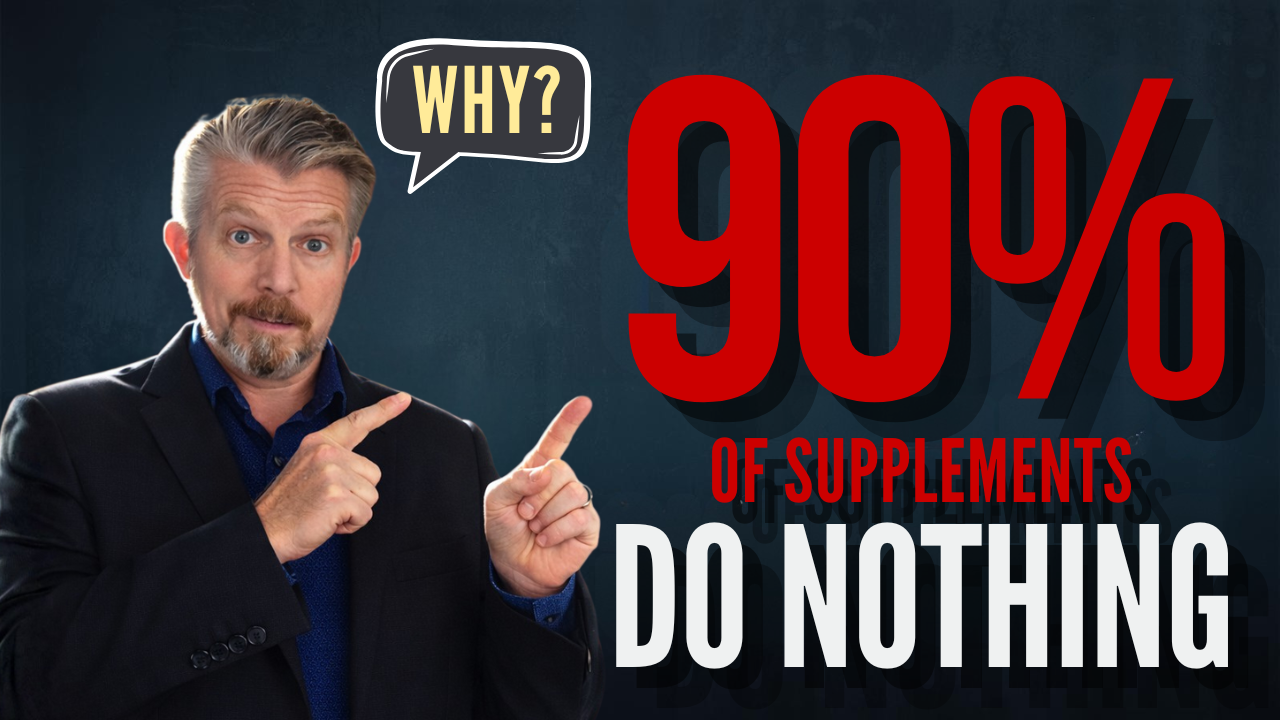
Why Most Supplements Don’t Help During Cancer Treatment (And What Actually Can)
When navigating chemotherapy and cancer treatment in general, many patients turn to supplements hoping to reduce side effects, improve outcomes, or support overall health. Supplements are often framed as part of health and wellness, but the reality is far more complicated. Supplements and vitamins are barely regulated, rarely dosed correctly, and frequently ineffective - even when they could be significantly helpful. Understanding this is a critical part of navigating cancer with clarity.
Supplements, Chemotherapy, and Cancer Treatment Reality
The supplement industry is not regulated in any meaningful way. Supplements are not regulated for potency, dose/potency, consistency, or contaminants - a few do not even contain the ingredients on the label. This matters deeply for patients undergoing cancer treatments. What’s printed on a supplement label often has nothing to do with what is required to produce a real biological effect in the human body.
Most supplement data begins with cancer cells grown in a dish. These studies often show promising effects on tumors or cancer biology. However, translating those findings into real cancer treatment support requires reaching specific blood concentrations in humans. That step, and a disconnect in how supplements are labeled, is where most supplements fail.
Why Supplement Doses Rarely Match Clinical Evidence
In oncology, like any treatment, dose matters. With chemotherapy, dosing is precise because under-dosing doesn’t work and over-dosing causes harm. Supplements are treated differently. Most supplement doses are not set based on effectiveness but on what manufacturers believe consumers will tolerate — or what keeps contaminants like heavy metals below reporting thresholds.
As a result, many cancer patients take supplements at doses far below what clinical studies show is necessary. A supplement that requires six to ten grams per day to impact cancer treatment may be sold in capsules delivering only one gram daily. Below that minimum threshold of six grams, it does nothing.
The Hidden Problem With Combination Supplements
Many supplement blends combine multiple ingredients marketed as beneficial for cancer nutrition or easing chemo side effects. While each ingredient may have data behind it, combining them often results in doses for each and every ingredient that are too low to help. This leads to patients taking many supplements without meaningful benefit, increasing their pill burden without improving treatment outcomes.
What Actually Helps During Cancer Treatment
Effective supplement use during chemotherapy requires prioritization, correct dosing, and evidence-based selection. Instead of taking many vitamins and supplements, focusing on a small number that have real clinical benefit — at doses shown to matter — is far more effective. This also reduces unnecessary interactions with cancer drugs and limits unwanted chemotherapy side effects.
The Takeaway for Cancer Patients
Supplements are not harmless or effective by default. During cancer treatment, taking the wrong supplements or taking too little of a large variety can waste time, money, and energy. Understanding cancer nutrition, drug metabolism, and supplement dosing is essential for informed cancer treatment support.
If you are using supplements alongside chemotherapy, reviewing the evidence, dose requirements, and real-world impact is one of the most important steps you can take when navigating cancer. So, reach out if you would like help in reviewing your supplement regimen.
Accurate science saves lives — and it starts with rejecting simple myths in favor of real understanding. Stay Curious.
Disclaimer: This content is for educational purposes only and is not medical advice. It does not replace guidance from your healthcare provider. Cancer and treatment decisions are highly individual—always consult your physician or qualified healthcare professional regarding your specific situation.
A full disclaimer is available Terms and Conditions.
Its like you learn my thoughts! You seem to know a lot about
this, such as you wrote the guide in it or something.
I think that you simply could do with a few percent to power the message house a little bit, however other than that, this is wonderful blog.
An excellent read. I’ll certainly be back.
Thank you, glad you enjoyed the blog. This is really just a quick summary of the full video on YouTube. Thanks for being part of our community.