
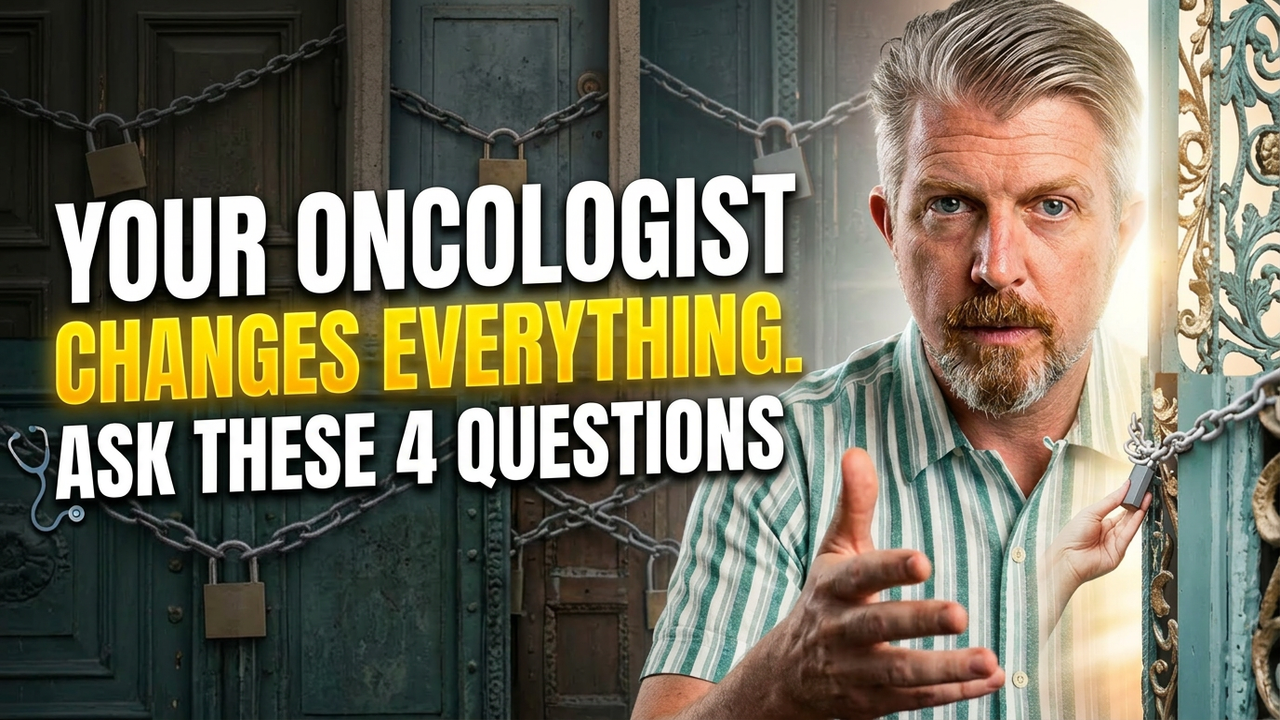
Why Your Oncologist May Be the Most Important Part of Your Cancer Treatment
If you’ve been diagnosed with cancer—whether it’s breast cancer, colorectal cancer, lung cancer, or even brain cancer—your focus is usually on chemotherapy, tumor size, side effects, and treatment options like immunotherapy or targeted therapy. But in oncology, one of the most overlooked factors in cancer treatment isn’t the drug. It’s your oncologist and your relationship with them.
The Oncologist as the Gateway to Cancer Treatment Options
Your oncologist controls access to many things in cancer care—chemotherapy protocols, clinical trials, genomic testing, access to targeted therapies and immunotherapies, and even advanced treatments for melanoma, prostate cancer, or pancreatic cancer.
Standard cancer treatments are designed for the “average” cancer patient. But genomics and biomarkers show that tumors behave very differently from person to person. If your oncologist only follows standard guidelines without flexibility, you may miss options that are better suited to your biology.
Why Genomic Testing and Biomarkers Matter
Modern cancer treatment relies heavily on biomarkers, genomics, and genetic testing. Sending biopsy tissue for analysis through platforms like Tempus, CARIS, or FoundationOne can reveal whether your tumor is resistant or sensitive to specific chemotherapy drugs.
Without this information, treatment decisions are often guesswork. Some patients go through multiple rounds of chemo, only to discover later that their cancer was resistant from the beginning - all because their oncologist didn't see the value "since we're just going to do chemotherapy".
Clinical Trials and Access to Advanced Therapies
Clinical trials are another major opportunity in oncology, especially for cancers like small cell lung cancer, breast cancer, or advanced colorectal cancer. But access often depends on whether your oncologist supports participation.
A supportive oncologist can help you identify and apply for trials. A restrictive one can unintentionally block access—even when you definitely qualify.
How to Work Effectively with Your Oncologist
One of the most important shifts you can make is moving from vague questions to clear proposals. Oncologists have limited time, and they respond best to specific, evidence-based requests.
Instead of asking broad questions about cancer therapy, present one focused idea at a time—whether it’s a drug, a test, or a treatment strategy.
The Bottom Line in Cancer Care
Cancer treatment isn’t just about chemotherapy or immunotherapy. It’s about access, strategy, and decision-making. And your oncologist plays a critical role in all three.
Choosing the right oncologist—and learning how to work with them—can open doors to better cancer treatments, reduce wasted time, and improve outcomes.
Accurate science saves lives — and it starts with rejecting simple myths in favor of real understanding. Stay curious.
Disclaimer: This content is for educational purposes only and is not medical advice. It does not replace guidance from your healthcare provider. Cancer and treatment decisions are highly individual—always consult your physician or qualified healthcare professional regarding your specific situation.
A full disclaimer is available Terms and Conditions.