

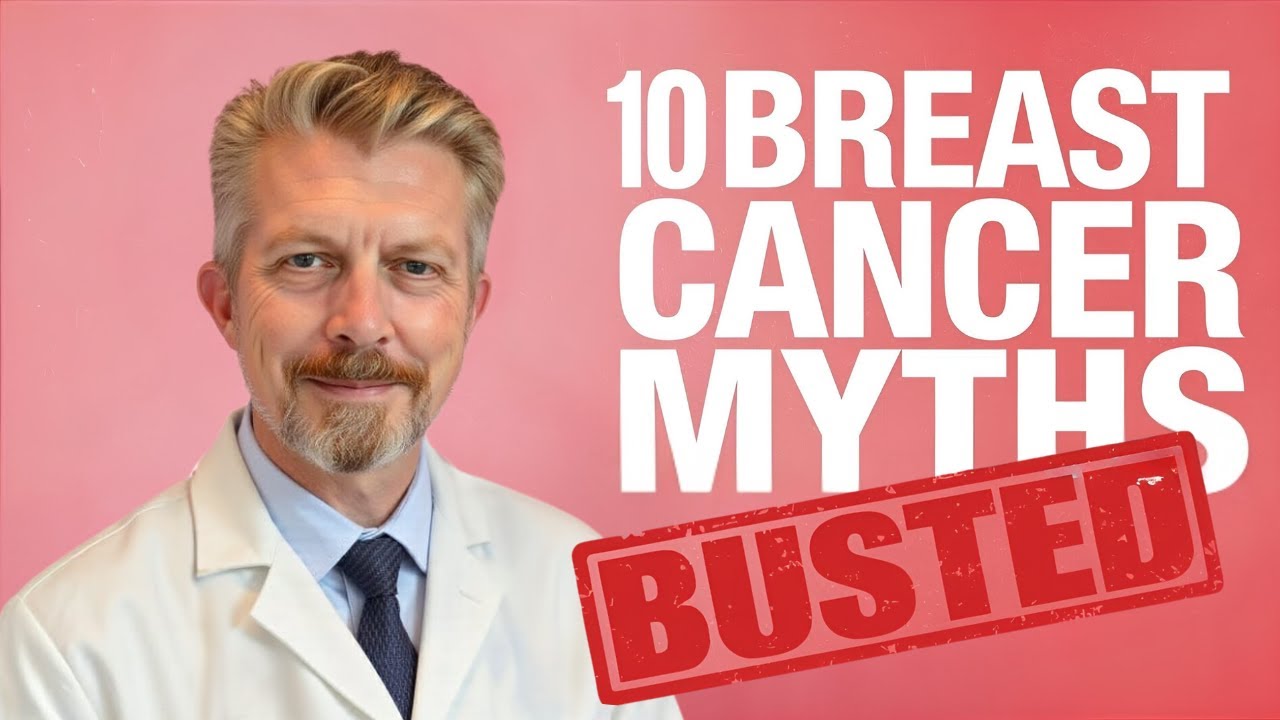
Top 10 Breast Cancer Myths And Facts | Navigating Cancer #BreastCancerTreatment #oncology
Breast Cancer Myths That Can Delay Diagnosis and Impact Treatment
Breast cancer, breast cancer treatment, and cancer screening are often misunderstood, especially online. For many cancer patients, misinformation around breast cancer symptoms, mammograms, genetics like BRCA, and tumor biology can delay diagnosis or lead to poor decisions. In oncology, understanding real cancer biology—not common cancer myths—is critical for early detection and better outcomes.
Breast Cancer Causes and Risk Factors in Oncology
One of the most persistent myths is that a healthy lifestyle alone prevents breast cancer. While diet and exercise influence risk, they do not eliminate it. The strongest factors remain age and biological sex.
Another misconception is that breast cancer is primarily genetic. In reality, only about 5–10% of cases involve inherited mutations such as BRCA. Most breast cancer develops without a family history.
Cancer biology is complex. Tumor formation requires multiple mutations over time—not a single cause.
Cancer Screening: Mammogram vs Self Breast Check
There is also confusion around detection. A breast lump does not automatically mean cancer, but it should always be evaluated.
Self breast check methods can help with awareness, but they are not a replacement for mammography or breast imaging radiology. Mammograms remain one of the most effective tools for early breast cancer diagnosis.
Importantly, not all tumors present with noticeable lumps. This is why routine cancer screening is essential—even without symptoms.
Breast Cancer Symptoms and Common Cancer Myths
Several widely shared beliefs have no scientific support:
- Bras or deodorants do not cause breast cancer
- Sugar does not directly cause or eliminate cancer
- You cannot “guarantee” prevention through lifestyle alone
These myths can create unnecessary fear or false reassurance.
Another critical misunderstanding is that breast cancer is one disease. In reality, subtypes like triple negative breast cancer (TNBC) behave very differently and require different cancer treatment strategies.
Breast Cancer Treatment and Individual Tumor Biology
Breast cancer treatment is highly individualized. Oncology decisions depend on:
- Tumor type and stage
- Genetic cancer markers (such as BRCA)
- Hormone receptor and HER2 status
- Presence of metastasis
Treatment options may include chemotherapy, immunotherapy, targeted therapy, surgery, or combinations of these.
There is no universal approach. Every tumor—and every cancer patient—is different.
Why Accurate Information Matters for Cancer Patients
Misinformation can delay diagnosis, increase anxiety, and lead to missed opportunities for early intervention.
Accurate breast cancer awareness means understanding:
- Risk is influenced, not controlled
- Screening is essential, even without symptoms
- Treatment must match the biology of the tumor
In cancer care, clarity leads to better decisions—and better outcomes.
Accurate science saves lives — and it starts with rejecting simple myths in favor of real understanding. Stay curious.
Disclaimer: This content is for educational purposes only and is not medical advice. It does not replace guidance from your healthcare provider. Cancer and treatment decisions are highly individual—always consult your physician or qualified healthcare professional regarding your specific situation.
A full disclaimer is available Terms and Conditions.