

Chemotherapy-Induced Neuropathy: What Actually Helps, What Fails, and What to Avoid
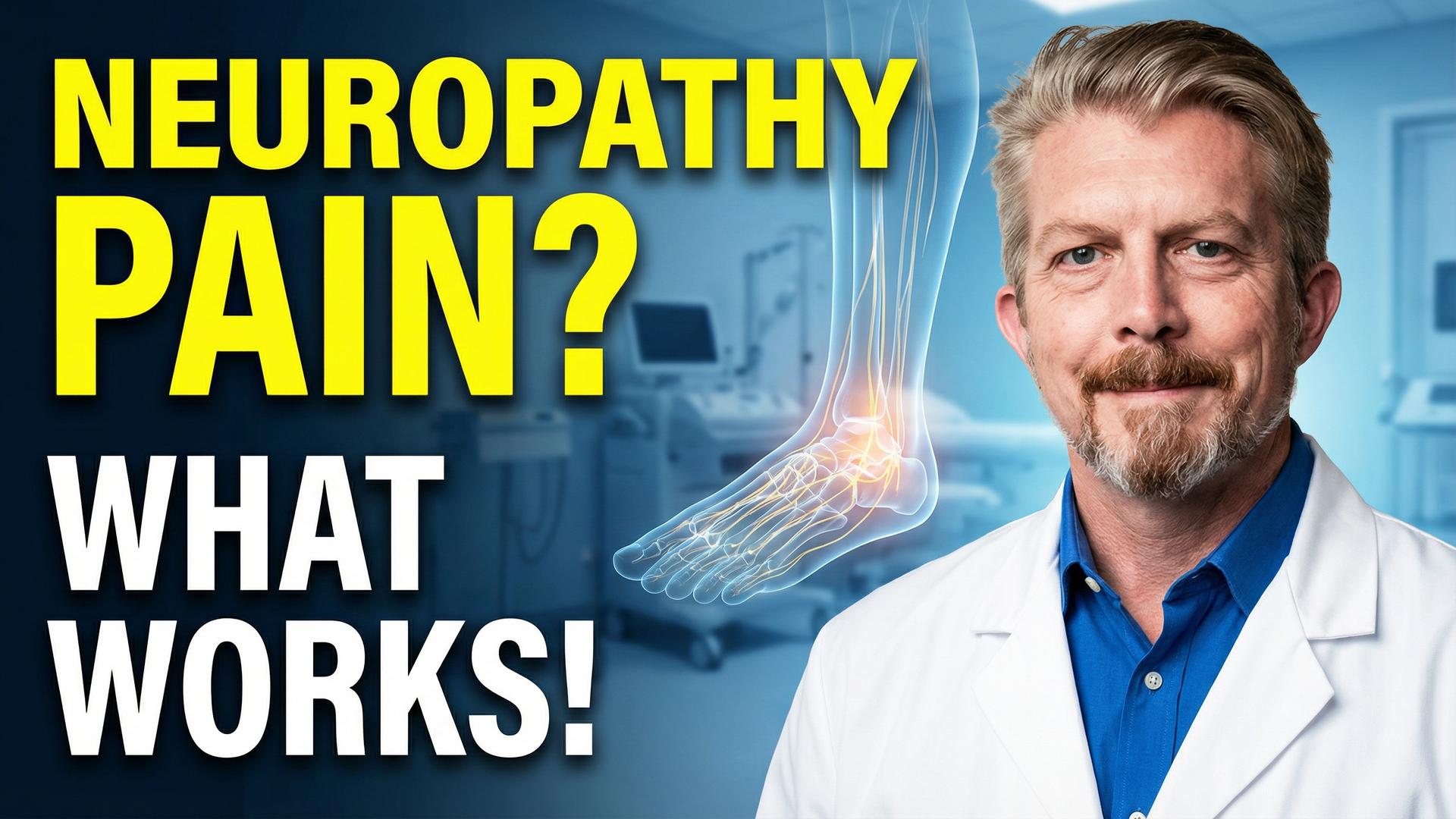
Chemotherapy-induced neuropathy is one of the most frustrating and misunderstood chemotherapy side effects. Peripheral neuropathy can show up as tingling, burning, numbness, or pain—most often in the hands and feet—and it can appear suddenly or linger long after cancer treatment ends. The biggest problem? Neuropathy is not one condition, and treating all neuropathy the same way often makes it worse instead of better.
Why Peripheral Neuropathy Is Not “One Thing”
Peripheral neuropathy during cancer treatment depends heavily on the drug class involved. Platinum chemotherapy drugs and taxane chemotherapy drugs damage nerves in completely different ways. Acute neuropathy behaves differently from chronic neuropathy, and strategies that help one can fail—or completely backfire—for another. This is why generic advice online often leads patients to wasted time, unnecessary supplements, and worse symptoms.
Platinum Chemotherapy and Acute Neuropathy
Platinum chemotherapy drugs like carboplatin, cisplatin, and oxaliplatin commonly cause acute neuropathy, often during or immediately after infusion. This form of chemotherapy-induced neuropathy is driven by calcium buildup in nerve cells and electrical instability.
What helps includes reducing calcium intake before infusion, increasing magnesium levels, using compression gloves or stockings during infusion, and adjusting infusion timing or dose schedules. Cold therapy is usually a bad idea for platinum drugs, as cold sensitivity can dramatically worsen symptoms.
What does not help includes vitamin E, glutathione infusions, alpha-lipoic acid, acetyl-L-carnitine, and gabapentin for prevention.
Chronic Neuropathy After Chemotherapy
Chronic peripheral neuropathy is different. It often appears months later and can persist for years. This form is driven by nerve injury and immune-mediated inflammation rather than electrolyte imbalance.
Helpful strategies include regular exercise, vitamin D3, targeted glutamine use around infusion windows, and high-dose vitamin B6 under medical guidance. Immune-stimulating supplements and heat therapies near platinum infusions should be avoided, as they can worsen nerve damage.
Taxane Chemotherapy and Neuropathy
Taxane chemotherapy drugs like paclitaxel and nab-paclitaxel behave very differently. Cold therapy and compression during infusion can be protective here, and longer, slower infusions often reduce nerve damage. Glutamine, omega-3 fatty acids, and high-dose vitamin E can reduce severity.
However, acetyl-L-carnitine and vitamin B12 may worsen long-term outcomes despite short-term relief. Steroids like prednisone and dexamethasone can mask symptoms but may interfere with cancer treatment effectiveness.
The Bottom Line
Chemotherapy-induced neuropathy depends on drug class and timing, the specific mechanism at work. More supplements do not mean better outcomes. Understanding what type of neuropathy you are dealing with is the most powerful tool for navigating cancer treatment safely and effectively.
Accurate science saves lives — and it starts with rejecting simple myths in favor of real understanding. Stay curious.
Disclaimer: This content is for educational purposes only and is not medical advice. It does not replace guidance from your healthcare provider. Cancer and treatment decisions are highly individual—always consult your physician or qualified healthcare professional regarding your specific situation.
A full disclaimer is available Terms and Conditions.